Costa Rica: Biodiversity, Art and Ecological Connections
| A Note on Nature Journaling Throughout the trip, we use nature journaling as an interactive lens to sharpen our observation and deepen our connection to the environment. Nature journaling combines words and sketches to record what we observe, think, and feel in the natural world. This practice cultivates curiosity, strengthens memory, and helps us recognize patterns within ecosystems. It also creates space for reflection, encouraging us to consider not only the interconnectedness of the natural world, but also our own place and responsibility within it. | |
ITINERARY
Day 1 Saturday, Feb 27
Arrive in Guanacaste
Arrive in Liberia, Guanacaste Province, where we meet our Costa Rican partners at the airport and begin our journey to the Santa Elena Lodge in Cuajiniquil, enjoying some local snacks on the way. Once we are checked in to our rooms, we meet for a short orientation to set the stage for our explorations and then dine at a local restaurant.
Day 2 Sunday, Feb 28
Tropical Deciduous Forests: Restoration and Connection
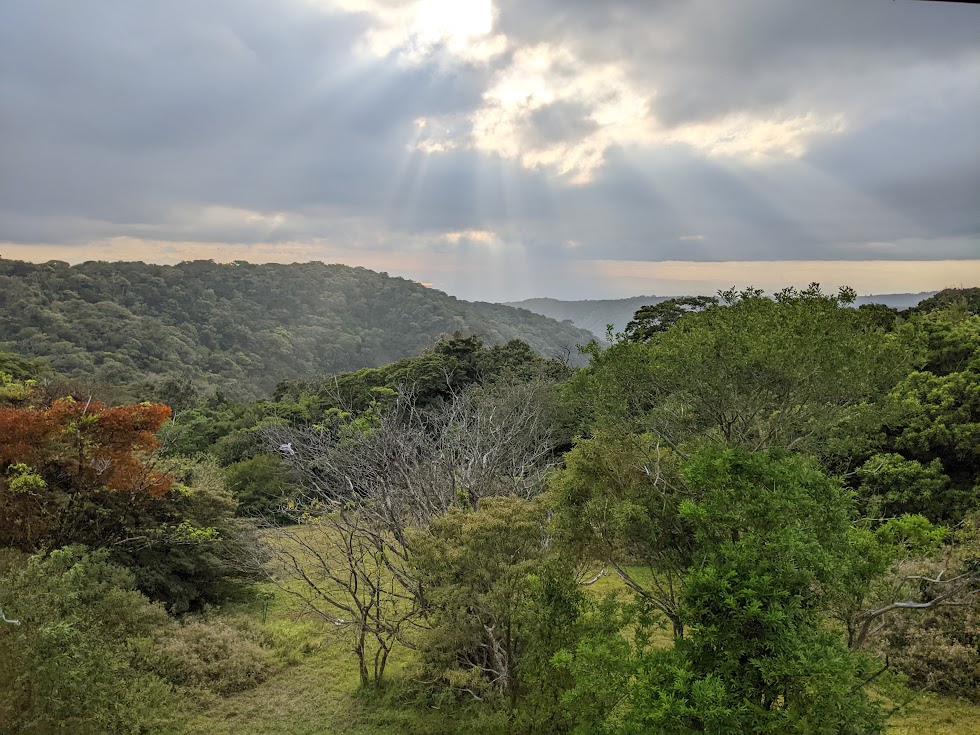
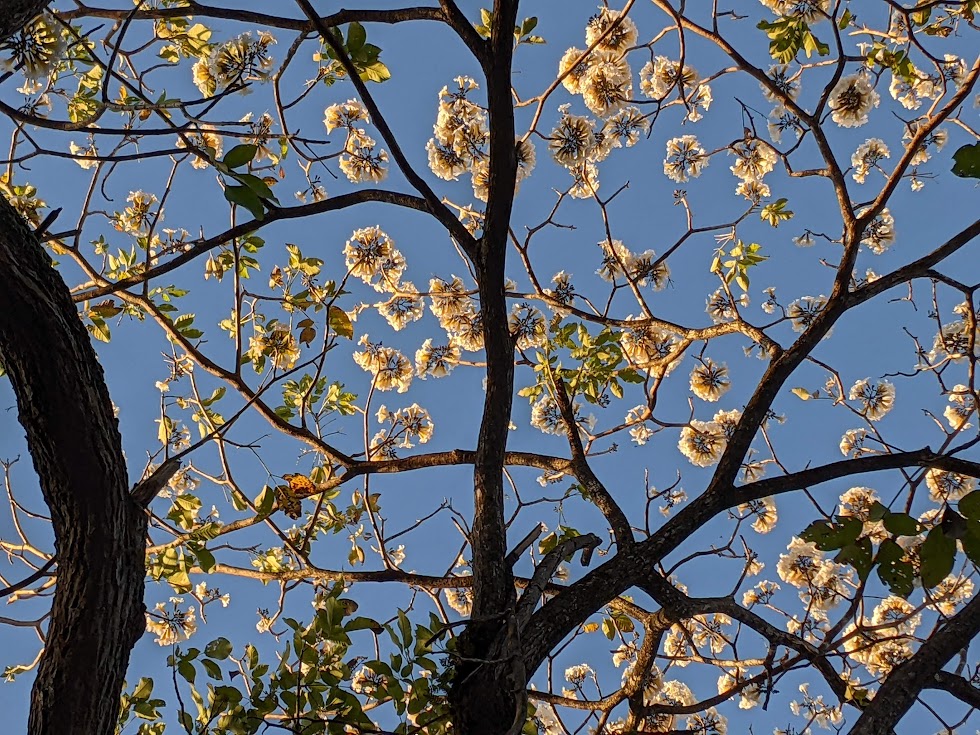
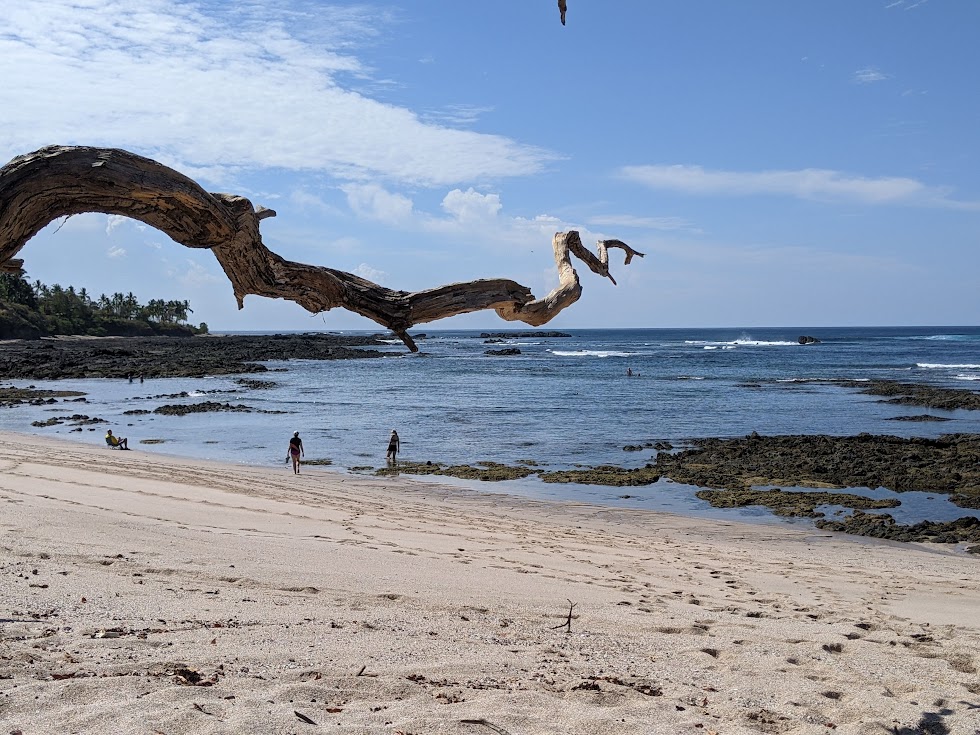
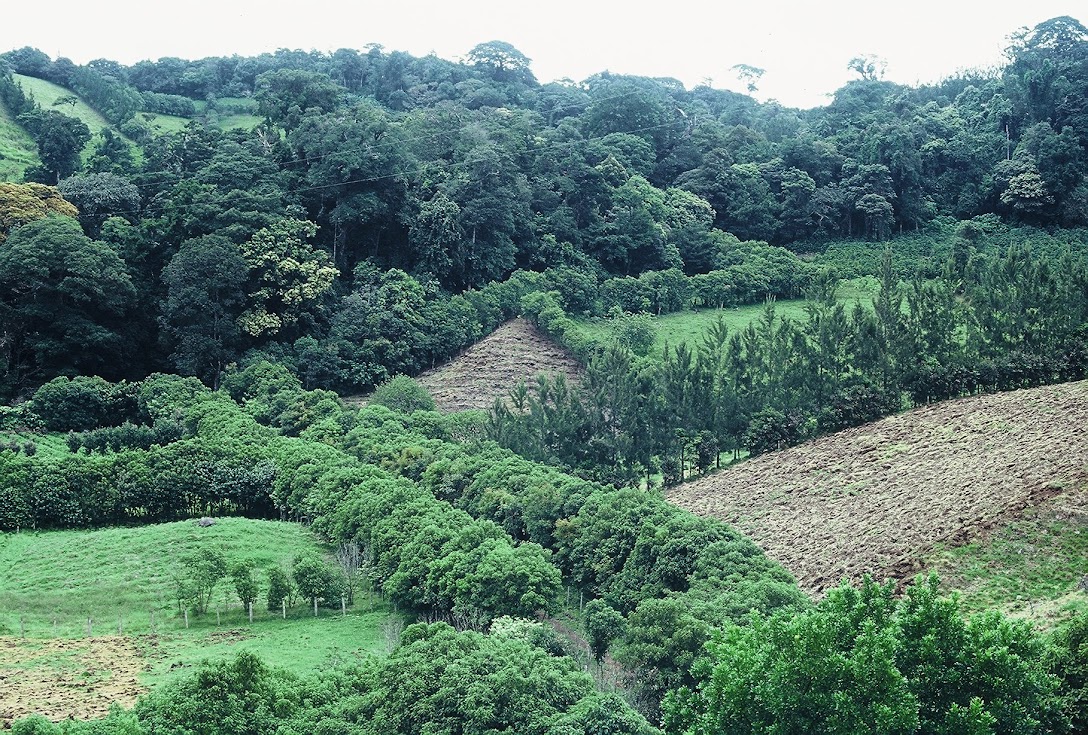
After breakfast at the hotel, we shuttle to Santa Rosa National Park, Costa Rica’s first national park, for an introduction to the Guanacaste Conservation Area (ACG), a celebrated World Heritage Site and model conservation success story. Over the last five decades, community-centered land management practices have restored its critically endangered tropical deciduous forests to connect diverse habitats from the sea to misty mountains, protecting biodiversity and benefitting local livelihoods. Our tour includes sweeping views of cloud-draped volcanoes and a visit to the historic Santa Rosa Hacienda and the iconic Guanacaste tree – key symbols of regional identity. After lunch in the park, we continue to Refugio de Vida Silvestre Bahía Junquillal to learn about the shared management model between the community and the ACG. The late afternoon allows for relaxation on the beach or at the hotel. Post dinner, there is time for journaling and group discussion on the day’s experiences.
| Day 3 Monday, March 1
Mangroves to Monteverde | | |
After breakfast, we check out of the hotel and load our luggage onto the bus before visiting a mangrove restoration project. There, we learn about coastal conservation efforts and the importance of protecting marine ecosystems. Lunch is at Arrecife Restaurant in Cuajiniquil. We then begin our ascent to Monteverde, passing through Cañas, and discover connections between coastal habitats, lowland slopes, and highland environments en route. Upon arrival, we will check into Hotel Cabinas Capulín for the evening. Dinner is served at the hotel, followed by a discussion with owner Anibal Torres about his family’s farm, its evolving business, and development in the region. For the remainder of the tour all lodging, breakfasts and dinners will be at Cabinas Capulín unless otherwise noted. Day 4 Tuesday, March 2
Monteverde Cloud Forest Preserve – Private Protection
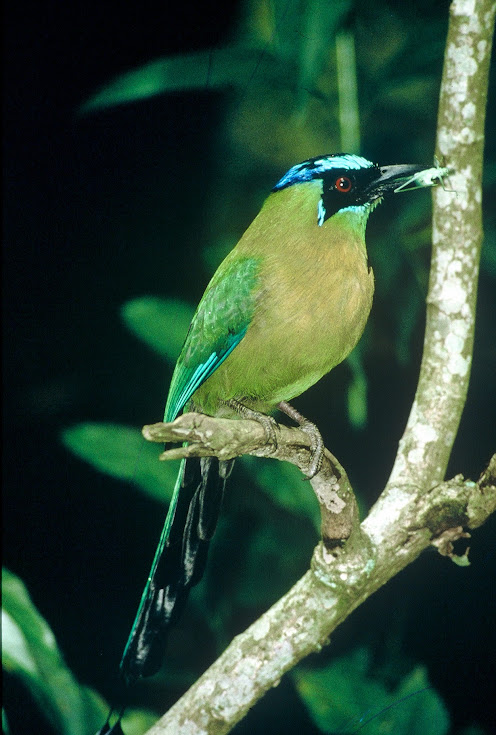
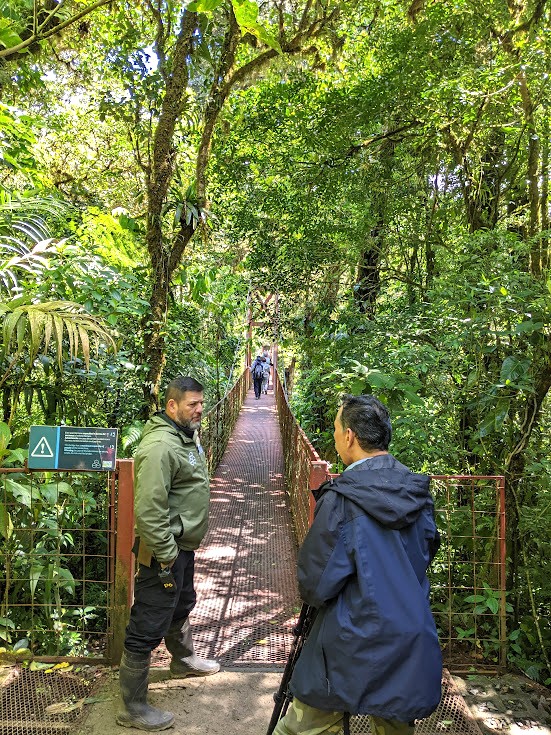
We begin our mountain experience with a visit to the Monteverde Cloud Forest Preserve, the first private biological reserve in Costa Rica. Its epiphyte-draped cloud forests have been a biological research and ecotourism destination for more than six decades. It is home to an amazing diversity of species including the resplendent quetzal, three-wattled bellbird, howler monkey, tapir, margay, and countless more. We join expert local naturalist guides for a choice of two natural history hikes, one longer than the other, then visit the Hummingbird Gallery, which attracts dozens of hummingbird species. We share a welcome lunch with our hosts from the Monteverde Institute (MVI), followed by a discussion on their community sustainability initiatives and a campus tour. The day continues with a visit to watercolor artist Sara’s Gallery and time for reflection and sharing of journal prompts and observations. Dinner is at a local restaurant.
Day 5 Wednesday, March 3
Santa Elena Cloud Forest Reserve – New Management Model
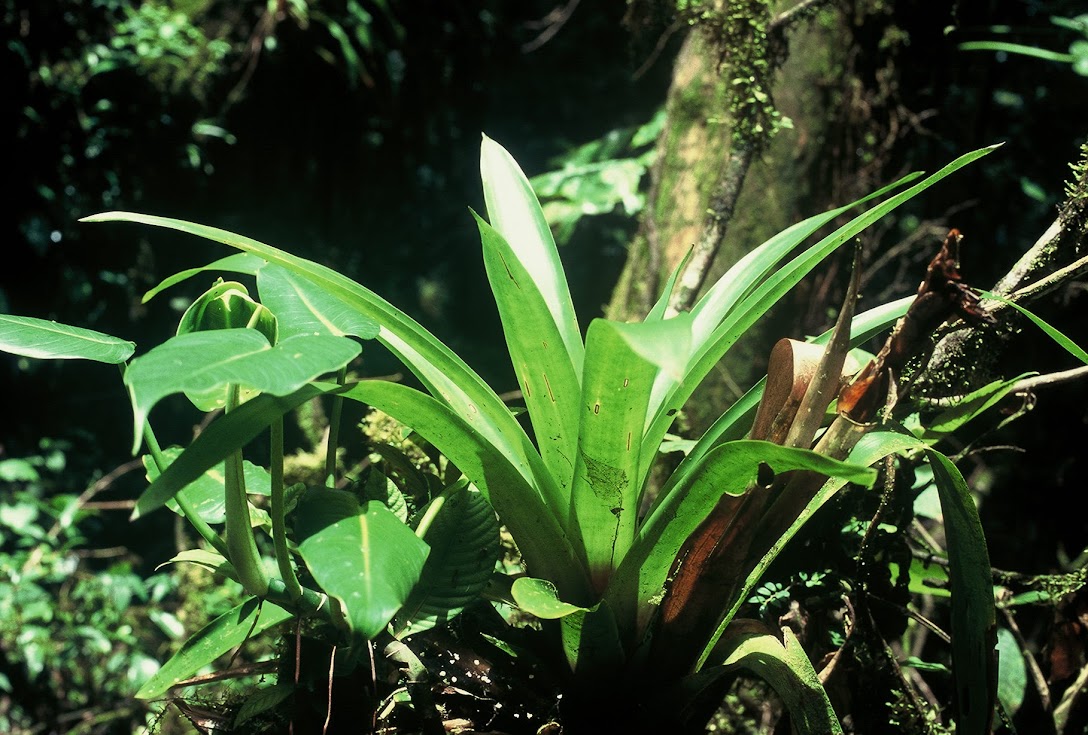
This morning we visit the Santa Elena Cloud Forest Reserve, a publicly owned reserve, something unique in Costa Rica. Slightly higher and wetter than the Monteverde Cloud Forest Reserve, mosses, liverworts, bryophytes, ferns, and flowering epiphytes thickly cover every tree. Animals such as sloths, white-faced monkeys, keel-billed toucans, and countless reptile, amphibian, and arthropod species call this home. Naturalist guides help us discover hidden wonders on a network of hiking trails. We then lunch at CASEM, a non-profit artisan cooperative dedicated to enhancing the economic and social well-being of local women artists. There is free time to shop at CASEM and visit El Camino ice cream shop, Monteverde Coffee Center, local bakeries, or Caburé chocolatier for local flavors. In the late afternoon we enjoy a presentation with the Costa Rican Conservation Foundation about the three-wattled bellbird and its altitudinal migration. The day concludes with reflection and sharing of journal prompts and observations.
Day 6 Thursday, March 4
Sustainable Farming and the Children’s Eternal Rainforest
Today we have an optional early morning farm tour at Capulín. Then we visit a carbon-negative dairy farm that is part of the NAMA Livestock National Program at Sarah Stuckey’s farm. Lunch is at MVI, followed by a presentation by the Monteverde Conservation League on the past, present, and future of the Children’s Eternal Rainforest. This is the country’s largest private land reserve and encompasses lands that surround the cloud forest on both sides of the continental divide. The day continues with reflection and sharing of journal prompts and observations, with snacks provided by the MVI coordinator. There is an optional night hike in the Pacific rainshadow forest of Bajo del Tigre, part of the Children’s Eternal Rainforest, followed by dinner at a local restaurant.
Day 7 Friday, March 5
Coffee Farm, Tasting and Dye Art
.jpg) | Every day should begin with coffee, so we begin this one with a visit to the LIFE Monteverde coffee farm with Guillermo Vargas, co-founder and owner of LIFE, a forestry engineer, environmental educator, and community organizer. We have time with Guillermo to discuss his work on reforestation and community development. Lunch and a coffee tasting at the farm is followed by a coffee-dye art activity led by Pamela from Arte Sobre Ruedas. This activity takes us through the farm, making observations and illustrating with coffee-based materials. The day concludes with reflection and sharing of our journal prompts. | 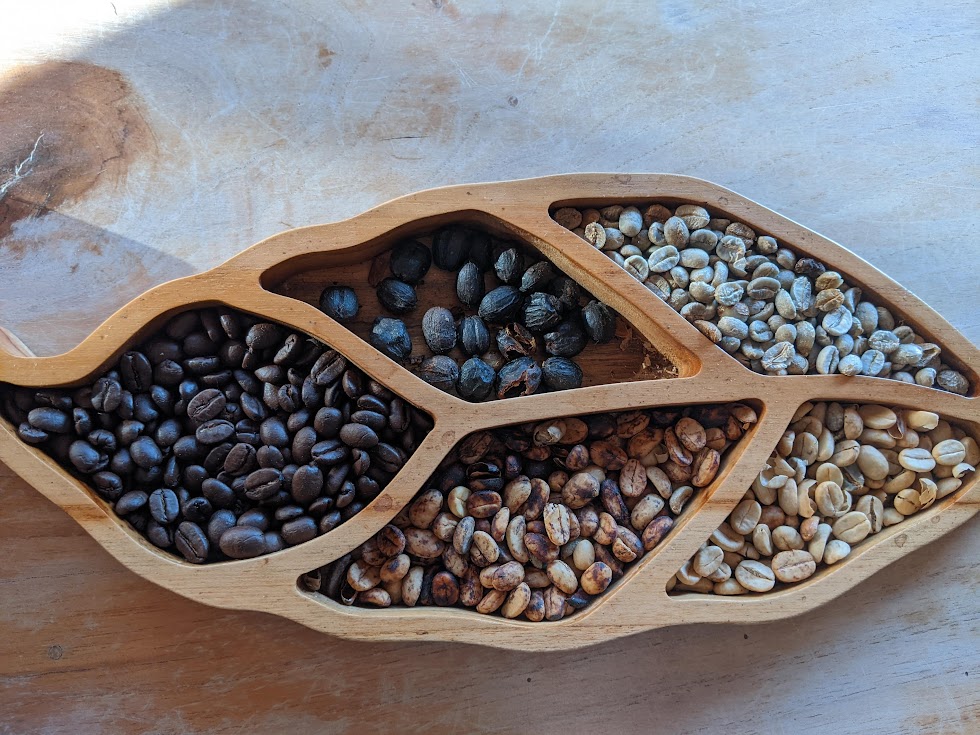 |
Day 8 Saturday, March 6
Free Day
Enjoy time to rest or engage in many of the activities available in the area such as birding, butterfly gardens, canopy tours, and shopping. Lunch is on your own. In the evening we gather for our farewell dinner.
Day 9 Sunday, March 7
Following an early breakfast, we check out of Cabinas Capulin, load luggage onto the bus, and travel to the airport in Liberia.
YOUR LEADERS
Robin Kropp is the School and Youth Programs Coordinator at the Desert Museum where she has shared her love of the Sonoran Desert with audiences since 1998. Prior to her role here, she lived and worked in Monteverde, Costa Rica for four and a half years where she was an environmental educator and led trips focused on tropical ecology and sustainability issues. Her passion is to deepen our connection with biodiversity and explore relationships between landscapes and people.
Marie McGhee is the Director of the Art Institute at the Arizona-Sonora Desert Museum. She is committed to providing high-quality, accessible visual arts experiences that inspire the community to deepen its understanding of conservation and recognize the vital role art can play in protecting the natural world. With more than two decades of experience leading lifelong learning programs, Marie previously oversaw public educational initiatives for the University of New Mexico's Division of Continuing Education, including educational travel programs, trips, and tours. Born in Costa Rica, Marie developed a lifelong passion for hiking, birding, and photography—interests that continue to shape her appreciation for the natural world and inform her commitment to conservation through the arts.
WHAT TO EXPECT
Amazing biodiversity, friendly people, simple but scrumptious food, and inspiration! Mid-December through April is the dry season, but it may be misty in the mountains. Lowland elevations will be hot and sunny, with temperatures ranging from the nighttime lows in the mid-70’s to daytime highs in the mid-90’s. Monteverde, by contrast, lies at close to 5,000 feet and has a temperate climate (from the mid-60’s to low 80’s,) making it a pleasant location from which to anchor our explorations. Many of our days will feature natural history walks. We will provide walks for a variety of physical abilities, but it is recommended that you prepare yourself prior to the trip to be able to comfortably walk a mile or more on uneven terrain. Should you have concerns about this, you may contact Robin Kropp at rkropp@desertmuseum.org. If you would like to have a better idea of the art aspects of this tour you may contact Marie McGhee at mmcghee@desertmuseum.org.
INCLUDED SERVICES
Transportation throughout the trip as well as all entrance fees to all destinations in the itinerary, double occupancy lodging, all meals (except for one lunch), expert guides, and airport pick up and drop off in Costa Rica are included.
NOT INCLUDED
You will be responsible for purchasing your own roundtrip airfare from Tucson to Liberia, Costa Rica. We will send a recommended flight in September. Optional adventures and lunch on the free day, Day 8, as well as alcoholic beverages are not included in the trip fees.
BORDER CROSSING
You will need a valid passport book to take this trip, and it must be valid for at least 6 months after our travel dates.
GROUP SIZE
Tour is limited to 16 guests.
FEES
This exclusive, small-group travel experience is offered only to Arizona-Sonora Desert Museum members. If you currently are not a member, but would like to join us, you may do so by following this link. The per-person cost is $3800 for a shared room. We are only accepting double occupancy registration at this time. There is a slight chance that the first two nights at the Santa Elena Lodge some participants may be three per a room. Should we later open to singles, then a yet-to-be-determined single supplement will need to be paid.
CANCELLATION POLICY
Should you need to cancel your trip, you must notify us in writing, by letter, e-mail. Cancellations made before December 1st will be subject to a $300/person administrative fee. After this date, all monies paid are 100% non-refundable. If we cancel your tour due to insufficient enrollment, all monies paid to the Museum will be refunded and will constitute full settlement. We will not be responsible for any outside expenses incurred such as for airfare.
HEALTH AND TRAVEL INSURANCE
We require that you carry health insurance that will cover you in international situations. If you purchase travel insurance, and you have any pre-existing conditions for which you would like coverage, most companies require that you purchase the insurance within 14 days of your first tour payment. While we do not suggest one company over another, we provide here the names of a few which you may contact: Travelex, Travel Guard, Trip Mate, and Allianz.
TOUR ITINERARY IS SUBJECT TO CHANGE
We reserve the right to change components, substitute hotels or alter the itinerary (either before departure or en route), and to make any other changes deemed necessary to carry out and maintain the quality and safety of the tour in good faith to the participants. In the case of civil unrest, acts of God, situations known as force majeure, we may cancel or postpone a trip.
QUESTIONS
You may register online or by calling the Reservations Coordinator at 520-883-3025 or at education@desertmuseum.org. Inquiries regarding logistics and itinerary should be directed to Sonya Norman 520-883-3030 / snorman@desertmuseum.org .
This tour is run by the Arizona-Sonora Desert Museum with most overseas arrangements being made through the Monteverde Institute.



.jpg)
.jpg)